


Hey there! As a supplier of CNG cylinder inspection equipment, I've seen firsthand how important it is to meet the right environmental requirements when using this gear. In this blog, I'll break down those requirements, so you know exactly what to look out for.
Temperature and Humidity
First off, let's talk about temperature and humidity. CNG cylinder inspection equipment is pretty sensitive to these factors. Most of the time, the ideal temperature range for operating this equipment is between 10°C and 35°C. If it gets too hot, above 35°C, the electronic components in the equipment can overheat. This might lead to malfunctions or even permanent damage. On the flip side, if it's too cold, below 10°C, the fluids in the equipment can thicken, which affects its performance.
Humidity is another key factor. The relative humidity should generally be kept between 30% and 80%. High humidity can cause corrosion on the metal parts of the equipment. For example, the sensors and connectors can start to rust, which messes with the accuracy of the inspection results. Low humidity, on the other hand, can lead to static electricity buildup. This static can interfere with the electronic signals in the equipment, leading to false readings.
Ventilation
Good ventilation is a must when using CNG cylinder inspection equipment. CNG, or compressed natural gas, is a flammable gas. During the inspection process, there's always a small risk of gas leakage. If the area isn't well - ventilated, the leaked gas can accumulate and create a fire or explosion hazard.
When setting up the inspection area, make sure there are proper exhaust systems in place. These systems should be able to remove any leaked gas quickly. Also, the inspection area should have enough fresh air intake. This not only helps with safety but also keeps the equipment cool. If the air around the equipment is stagnant, it can cause the temperature to rise, which we know isn't good for the equipment's performance.
Cleanliness
The inspection area needs to be clean. Dust, dirt, and debris can cause a lot of problems for CNG cylinder inspection equipment. For instance, dust can get into the moving parts of the equipment, like the valves and pistons. This can cause wear and tear, reducing the lifespan of the equipment.
Dirt and debris can also clog the filters in the equipment. Our Residual Liquid Pouring Equipment for CNG Cylinders has filters that are crucial for removing impurities from the residual liquid. If these filters get clogged, the equipment won't work properly, and the inspection results might be inaccurate.
Grounding
Proper grounding is essential for the safety and performance of CNG cylinder inspection equipment. Electrical equipment can generate static electricity or electrical currents. Without proper grounding, these electrical charges can build up and cause electrical shocks or damage to the equipment.
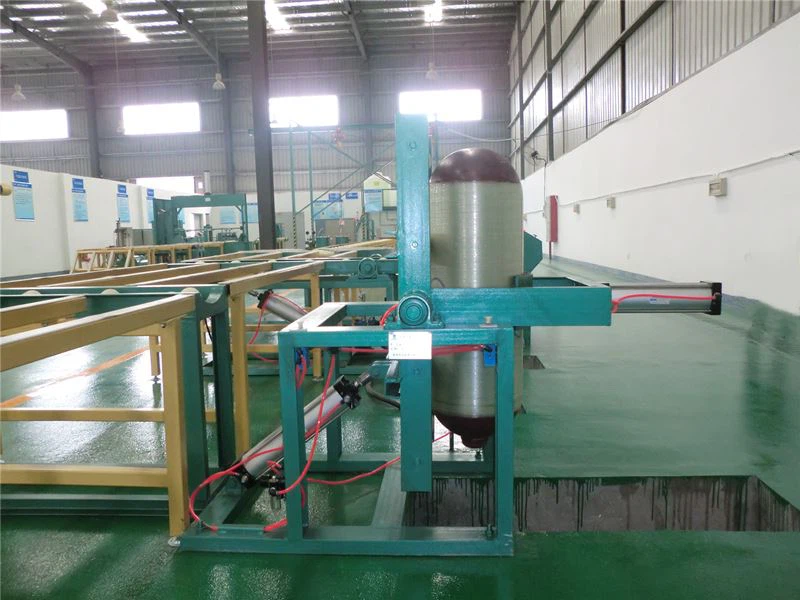
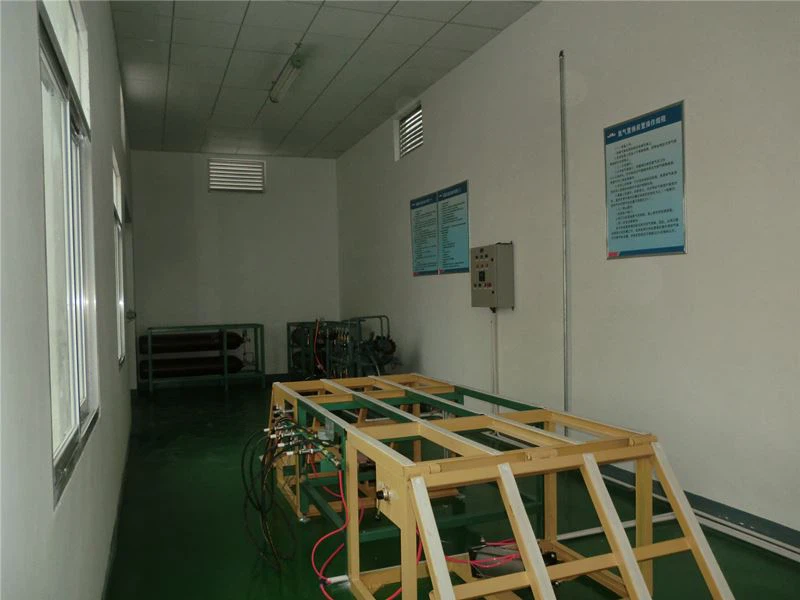
All the electrical components of the inspection equipment should be connected to a reliable grounding system. This ensures that any excess electrical charge is safely dissipated into the ground. When installing the equipment, make sure to follow the grounding instructions provided in the user manual.
Protection from Vibration and Shock
CNG cylinder inspection equipment is often quite delicate. Vibration and shock can damage the internal components of the equipment. For example, the sensors that measure pressure and temperature can be easily affected by vibrations. A sudden shock can even break the glass in the display panels.
When installing the equipment, place it on a stable surface. Avoid areas where there's a lot of machinery or traffic that could cause vibrations. If possible, use vibration - damping materials under the equipment to reduce the impact of any vibrations.
Compatibility with CNG
The equipment used for CNG cylinder inspection must be compatible with CNG. CNG is a mixture of hydrocarbons, mainly methane. It has different properties compared to other gases. The materials used in the equipment, such as seals and gaskets, should be resistant to the corrosive effects of CNG.
Our Nitrogen Replacement Equipment for CNG Cylinder is designed to work specifically with CNG. The hoses and connectors are made of materials that can withstand the pressure and chemical properties of CNG. Using incompatible equipment can lead to leaks, equipment failure, and inaccurate inspection results.
Safety Signage
In the area where the CNG cylinder inspection equipment is used, there should be clear safety signage. These signs should indicate the potential hazards, such as flammable gas, electrical shock, and moving parts. They should also provide instructions on what to do in case of an emergency, like where to find the fire extinguishers and emergency exits.
Safety signage helps to keep the operators safe and aware of the risks. It also ensures that anyone entering the area knows what precautions to take.
Training for Operators
Even if the environmental conditions are perfect, the equipment won't work well if the operators aren't trained properly. Operators should be trained on how to use the equipment correctly, how to handle CNG safely, and how to recognize and respond to any potential problems.
Training should cover topics like equipment operation, maintenance, and safety procedures. Operators should also be aware of the environmental requirements for using the equipment. For example, they should know how to monitor the temperature and humidity in the inspection area and what to do if these conditions are outside the acceptable range.
Maintenance and Calibration
Regular maintenance and calibration are crucial for the proper functioning of CNG cylinder inspection equipment. The equipment should be inspected and serviced at regular intervals. This includes checking for any signs of wear and tear, replacing any damaged parts, and cleaning the equipment.
Calibration is also important to ensure the accuracy of the inspection results. Our Cylinder Flipping And Water - Filling Machine needs to be calibrated regularly to ensure that the water - filling process is accurate.
If you're in the market for high - quality CNG cylinder inspection equipment that meets all these environmental requirements, we're here to help. Our equipment is designed and tested to work in a variety of environmental conditions. We can also provide you with all the support you need, from installation to training and maintenance. If you're interested in purchasing our equipment or have any questions, feel free to reach out and start a procurement discussion.
References
- "CNG Cylinder Inspection Standards", National Institute of Standards and Technology
- "Safety Guidelines for Using Gas Inspection Equipment", Occupational Safety and Health Administration
- "Environmental Considerations in Equipment Operation", International Organization for Standardization


