


Hey there! As a supplier of LPG Cylinder In - Line Valve Disassembling Machines, I often get asked about the spare parts required for these machines. In this blog, I'll break down the essential spare parts you need to keep your LPG Cylinder In - Line Valve Disassembling Machine running smoothly.
1. Cutting Tools
Cutting tools are super important for the disassembly process. They're used to cut through any seals or connections that hold the valve in place. High - speed steel (HSS) or carbide cutting tools are commonly used. HSS tools are cost - effective and work well for most standard disassembly jobs. They can handle a variety of materials and are relatively easy to sharpen. On the other hand, carbide cutting tools are more durable and can withstand higher cutting speeds. They're ideal for heavy - duty and high - volume disassembly operations. You'll need to have a stock of different sizes and shapes of cutting tools, like drill bits, end mills, and saw blades, to handle various valve designs.
2. Gripping Components
Gripping components are used to hold the LPG cylinder and the valve firmly during the disassembly process. These include clamps, chucks, and vises. The clamps need to be strong enough to hold the cylinder in place without causing any damage. They should also be adjustable to accommodate different cylinder sizes. Chucks are used to grip the valve precisely, allowing for accurate disassembly. You may need different types of chucks depending on the valve's shape and size. Vises are another option for gripping the valve securely. They provide a stable platform for the disassembly work and can be adjusted to apply the right amount of pressure.
3. Sealing Elements
Sealing elements play a crucial role in preventing gas leakage during the disassembly process. O - rings, gaskets, and seals are the most common sealing elements. O - rings are circular rubber or elastomeric seals that are used to seal the joints between different parts of the machine. They come in various sizes and materials, such as nitrile rubber, silicone, and fluorocarbon. Gaskets are flat seals that are used between two mating surfaces to prevent leakage. They can be made of materials like paper, rubber, or metal. You need to keep a good supply of different sizes and types of sealing elements to ensure proper sealing and prevent any safety hazards.
4. Drive Belts and Chains
Drive belts and chains are responsible for transferring power from the motor to the different components of the LPG Cylinder In - Line Valve Disassembling Machine. Over time, these belts and chains can wear out due to friction and tension. You should have spare drive belts and chains on hand to replace them when needed. Make sure to choose the right type and size of belts and chains that are compatible with your machine. Also, check the tension regularly and adjust it as necessary to ensure efficient power transmission.
5. Bearings
Bearings are used to reduce friction between moving parts and support the rotating components of the machine. They come in different types, such as ball bearings, roller bearings, and sleeve bearings. Ball bearings are the most common type and are suitable for high - speed applications. Roller bearings can handle heavier loads and are used in more demanding situations. Sleeve bearings are simple and cost - effective, often used in less critical parts of the machine. You'll need to keep a stock of different sizes and types of bearings to replace any worn - out ones. Regular lubrication of the bearings is also essential to extend their lifespan.
6. Electrical Components
Since the LPG Cylinder In - Line Valve Disassembling Machine is an electrical device, you need to have spare electrical components. These include motors, switches, relays, and sensors. Motors are the powerhouses of the machine, so it's important to have a backup motor in case the main one fails. Switches are used to control the operation of the machine, and relays are used to switch electrical circuits. Sensors are used to detect various parameters, such as position, temperature, and pressure. You should also have a supply of fuses and circuit breakers to protect the electrical system from overloads and short - circuits.
7. Hydraulic Components (if applicable)
Some LPG Cylinder In - Line Valve Disassembling Machines use hydraulic systems to provide the necessary force for disassembly. If your machine has a hydraulic system, you'll need to keep spare hydraulic components. These include hydraulic pumps, cylinders, valves, and hoses. Hydraulic pumps are used to generate the hydraulic pressure, while cylinders convert the hydraulic pressure into mechanical force. Valves are used to control the flow and direction of the hydraulic fluid, and hoses are used to transfer the fluid between different components. Make sure to have the right type and size of hydraulic components and check the hydraulic fluid level and quality regularly.
8. Control Boards and Software
Modern LPG Cylinder In - Line Valve Disassembling Machines are often equipped with advanced control boards and software. These control boards manage the operation of the machine, and the software provides the programming and monitoring functions. You should have spare control boards in case of any hardware failures. Also, keep the software up - to - date to ensure the machine operates efficiently and safely. If you encounter any software issues, you may need to contact the manufacturer for support or updates.
Related Equipment
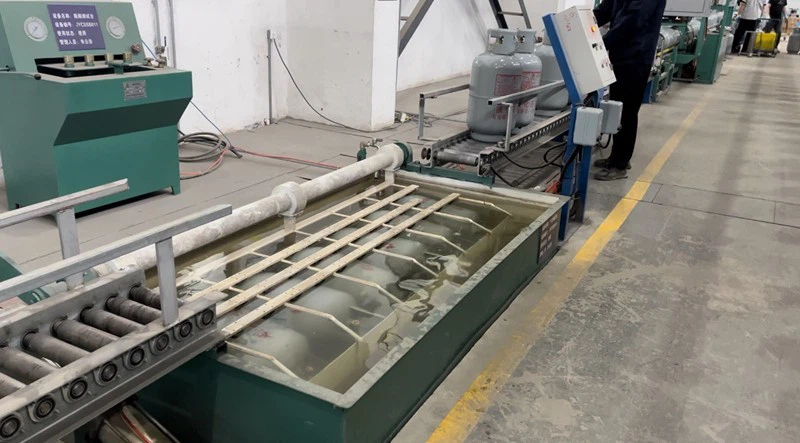
When it comes to LPG cylinder inspection and maintenance, there are other related pieces of equipment that you might be interested in. For example, the LPG Cylinder Electrostatic Spraying Line is used to apply a protective coating on the cylinders. The LPG Cylinder Air Tightness Test Machine is essential for checking the air - tightness of the cylinders. And the LPG Cylinder Residual Liquid Recovery Equipment helps in recovering the residual liquid from the cylinders.

Conclusion
Having the right spare parts for your LPG Cylinder In - Line Valve Disassembling Machine is crucial for its smooth operation and long - term reliability. By keeping a well - stocked inventory of these essential spare parts, you can minimize downtime and ensure that your machine is always ready to handle the disassembly tasks. If you're in the market for LPG Cylinder In - Line Valve Disassembling Machines or need advice on spare parts, feel free to reach out for a purchase negotiation. We're here to help you make the best choices for your business.
References
- Industry standards for LPG cylinder inspection and maintenance equipment.
- Manufacturer's manuals for LPG Cylinder In - Line Valve Disassembling Machines.


