


Hey there! As a supplier of Lpg Residual Recovery Equipment, I often get asked about the power consumption of our gear. So, I thought I'd break it down for you in this blog.
First off, let's understand what Lpg Residual Recovery Equipment does. It's designed to recover the residual LPG left in cylinders. This not only helps in reducing waste but also makes the cylinders safer for further handling and reuse. But like any piece of machinery, it needs power to run.
The power consumption of Lpg Residual Recovery Equipment can vary quite a bit. It depends on several factors, such as the size of the equipment, its capacity, and the technology it uses. For smaller, less - powerful models, the power consumption might be relatively low. These are usually suitable for small - scale operations, like local gas refill stations with a limited number of cylinders to process each day.
On the other hand, larger, industrial - grade Lpg Residual Recovery Equipment will consume more power. These machines are built to handle a high volume of cylinders in a short period. They often come with more advanced features and components that require more energy to operate.
Let's talk about the main components that contribute to power consumption. The compressor is one of the biggest power - guzzlers. It's responsible for creating the pressure needed to extract the residual LPG from the cylinders. A high - capacity compressor will need more power to run efficiently. The motors that drive the conveyor belts (if the equipment has them) also use a significant amount of energy. These belts are used to move the cylinders through the recovery process smoothly.
Another factor is the control system. Modern Lpg Residual Recovery Equipment often comes with sophisticated control systems that monitor and regulate the entire process. These systems use sensors and microprocessors, which, although they don't consume a huge amount of power individually, add up over time.
To give you a rough idea, a small - scale Lpg Residual Recovery Equipment might consume around 2 - 5 kilowatts per hour. This is enough to handle 10 - 20 cylinders per hour. For medium - sized equipment that can process 50 - 100 cylinders per hour, the power consumption could be in the range of 5 - 10 kilowatts per hour. And for large, industrial - scale machines that can handle over 100 cylinders per hour, the power consumption can go up to 15 - 25 kilowatts per hour or even more, depending on the specific features and design.
It's also important to note that the power consumption can vary depending on the operating conditions. If the cylinders are very cold, for example, it might take more energy to extract the residual LPG. Similarly, if the equipment is running continuously without proper maintenance, it might consume more power than normal.
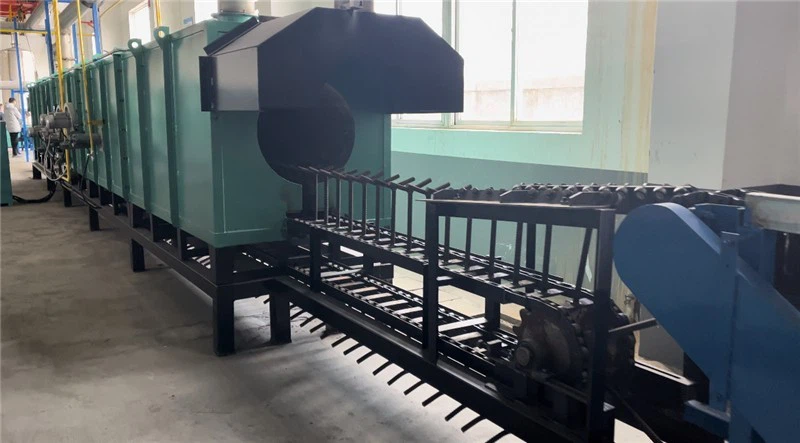
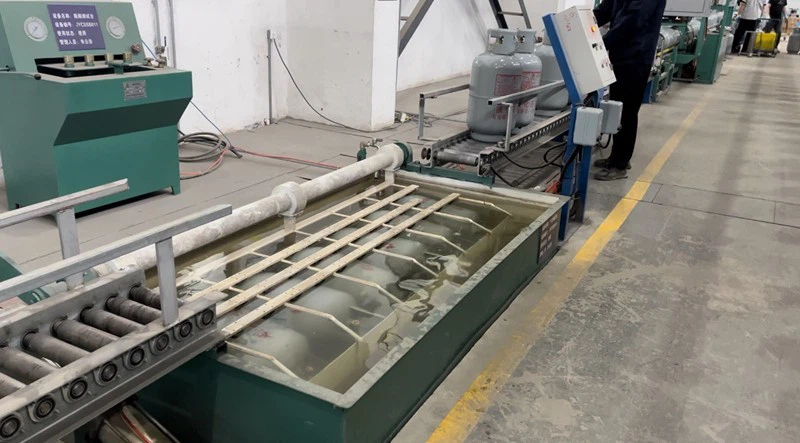
Now, as a supplier, we're always looking for ways to reduce the power consumption of our Lpg Residual Recovery Equipment. We invest in research and development to come up with more energy - efficient designs. For instance, we're exploring the use of variable - speed drives for the compressors. These drives can adjust the speed of the compressor based on the actual demand, which can significantly reduce power consumption.
We also offer equipment with energy - saving features like automatic shut - off when the machine is not in use. This helps to prevent unnecessary power wastage.
In addition to our Lpg Residual Recovery Equipment, we also supply other related products. For example, if you're in the business of LPG cylinder inspection, you might be interested in our LPG Cylinder Air Tightness Test Machine. This machine is crucial for ensuring the safety of the cylinders.
Another great product is our LPG Cylinder Electrostatic Spraying Line. It's used to give the cylinders a durable and attractive coating.
And if you need to deal with the disposal of old or damaged cylinders, our Combustion Furnance Of LPG Cylinders is a reliable option.
If you're thinking about purchasing Lpg Residual Recovery Equipment or any of our other products, we'd love to have a chat with you. Whether you're a small - scale operator or a large industrial player, we can help you find the right equipment that suits your needs and budget. Contact us to start the procurement discussion, and let's work together to make your LPG business more efficient and profitable.
References:
- Industry reports on LPG equipment power consumption
- Internal research and development data from our company


